Transloading Services
Support for transferring products between transportation modes through coordinated scheduling and safety.
Transferring product between modes
Transloading is the transfer of product from one mode of transport to another — ship to truck, rail to pipeline, truck to ship — often without long-term storage in between. It is a fast, efficient way to move product through the supply chain, and it demands careful coordination.
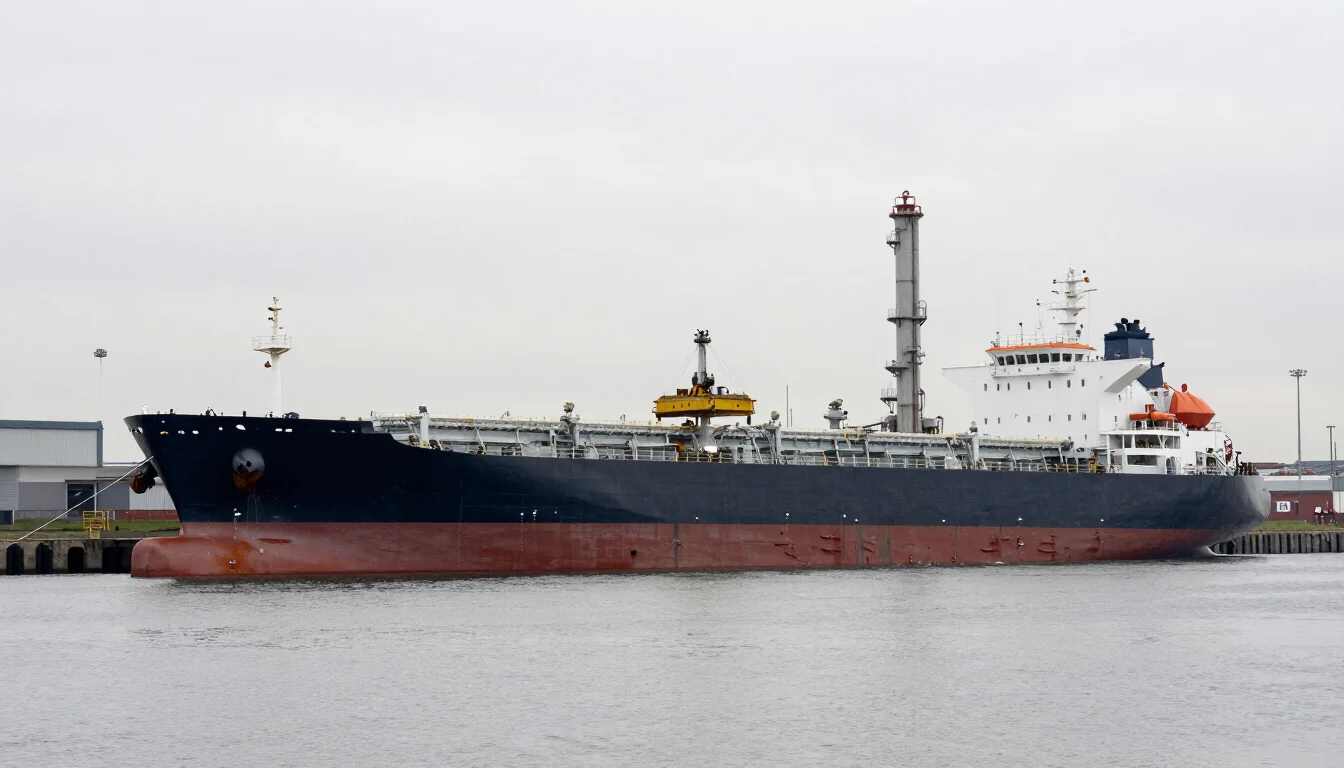
We support the transfer of product between marine, rail, truck and pipeline modes — consolidating or distributing loads without intermediate storage. Coordinated scheduling and safety checks keep every mode-to-mode transfer accurate and accountable.
Because transloading often bypasses storage, measurement and documentation are especially important. Every transload is measured and recorded so that the figures follow the product across the mode change.
Key capabilities
Mode-to-Mode Transfer
Marine, rail, truck and pipeline transfers.
Measurement
Accurate measurement on every transload.
Safety Checks
Procedured connections and operational monitoring.
Consolidation & Distribution
Consolidating or distributing loads across modes.
How product moves between modes
Transloading covers a range of mode-to-mode transfers.
- Marine to truck or rail — distributing ship cargoes onward
- Rail to truck or pipeline — moving rail arrivals onward
- Truck to marine — consolidating truck loads into ship cargoes
- Pipeline to truck or rail — distributing pipeline receipts onward
Speed and flexibility
Transloading lets customers move product between modes without committing it to storage.
For customers who need to change mode quickly — distributing a ship cargo onward by truck, or consolidating rail arrivals into a marine shipment — transloading offers speed and flexibility.
Our role is to make those transfers safe, measured and documented, so the product and its figures move cleanly across the mode change.
Frequently asked questions
What is the difference between transloading and storage?
Transloading transfers product directly from one transport mode to another, often without long-term storage in between. Storage holds product in tanks for a period. Transloading is about speed of mode transfer; storage is about holding product.
Which mode transfers can you support?
Transfers between marine, rail, truck and pipeline modes can be supported, consolidating or distributing loads as required. The modes available depend on the facility and partner arrangement at each location.
How are transloads measured?
Every transload is measured and recorded, so the figures follow the product across the mode change and both parties have an accurate, accountable record.