Process Safety
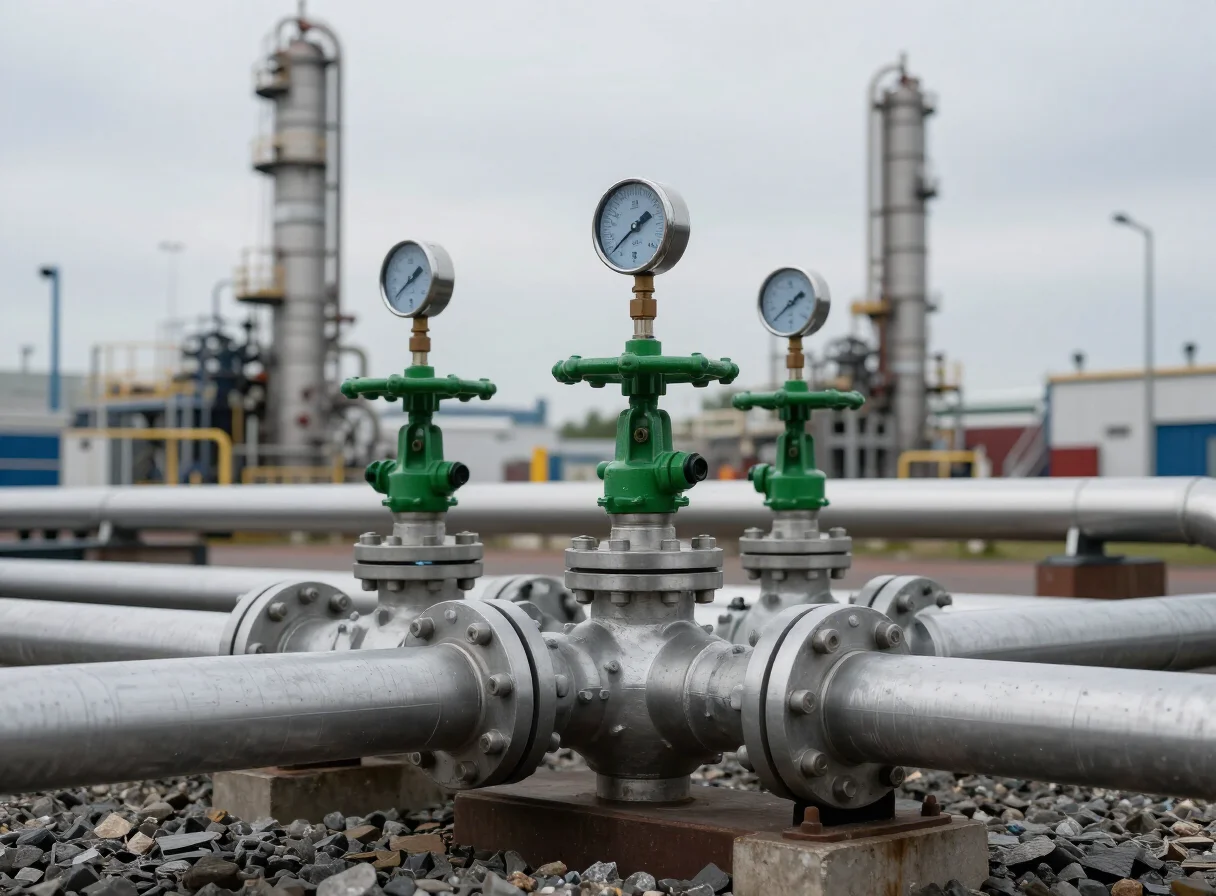
Hazard studies, SIL-rated emergency shutdown, overfill protection and management-of-change keep process risk controlled and documented.
Controlling process risk at the source
Process safety is about preventing the loss of containment of hazardous materials — the events that can cause fire, explosion, toxic release or environmental damage. It is distinct from personal safety and demands its own disciplines.
Structured hazard studies and SIL-rated emergency shutdown systems keep process risk controlled at every stage. Overfill protection and management-of-change ensure that every modification is assessed before it reaches operations.
Our process safety approach is built on recognised functional-safety standards, with instrumented protective systems designed, verified and maintained to their required safety integrity level.
Key capabilities
Hazard Studies
Structured studies identify and reduce process risk.
Emergency Shutdown
SIL-rated shutdown systems on critical functions.
Overfill Protection
Engineered overfill protection on every tank.
Management of Change
Every modification assessed before operations.
Layers of protection
Process safety uses multiple independent layers to prevent and mitigate loss of containment.
- Inherently safe design and engineering controls
- Operating procedures and alarm management
- Instrumented protective systems with defined safety integrity levels
- Overfill protection and pressure relief
- Emergency shutdown and depressurising
- Emergency response and containment
Assessing every modification
Change is one of the biggest sources of process risk. We control it through management-of-change.
Every modification — to equipment, procedures, products or personnel — is assessed for its process-safety impact before it is implemented, so that change never introduces unmanaged risk.
Frequently asked questions
What is the difference between process safety and personal safety?
Personal safety focuses on preventing injuries to individuals (slips, falls, strikes). Process safety focuses on preventing loss of containment of hazardous materials — the events that can cause fire, explosion, toxic release or major environmental damage. Both are essential and managed separately.
What does SIL-rated mean?
SIL — safety integrity level — is a measure of the reliability of an instrumented protective system, defined by recognised functional-safety standards. SIL-rated emergency shutdown systems are designed, verified and maintained to their required level.
How do you control change?
Through management-of-change: every modification to equipment, procedures, products or personnel is assessed for process-safety impact before it is implemented.